
When it comes to youthful, healthy-looking skin, what you apply topically is only part of the picture. Long before a serum, facial, or professional anti-aging treatment comes into play, your skin is already responding to what you put on your plate.
At Dr T Aesthetics Clinic in Melbourne, we see nutrition as a foundational pillar of skin health. The foods you eat daily influence how your skin repairs itself, defends against environmental stress, maintains hydration, and preserves firmness over time.
Understanding this connection allows you to support your skin from the inside out — not just for immediate glow, but for long-term skin resilience.

The Link Between Nutrition and Skin Health
Your skin is the body’s largest organ, and like every organ, it requires the right nutrients to function optimally.
A nutrient-rich diet supports essential skin processes such as:
- Strengthening the skin barrier
- Maintaining hydration and elasticity
- Defending against oxidative stress
- Supporting collagen and elastin production
When these systems are well supported, skin appears smoother, brighter, and more resilient — and is better equipped to age gracefully.
Antioxidants: Defending Skin Against Premature Aging
One of the biggest contributors to visible skin aging is oxidative stress. Free radicals are unstable molecules created by UV exposure, pollution, stress, and even regular metabolic activity. Over time, they damage collagen, weaken the skin barrier, and accelerate fine lines and uneven texture.
Antioxidants help neutralise these free radicals before they can cause harm.
Foods rich in antioxidants include:
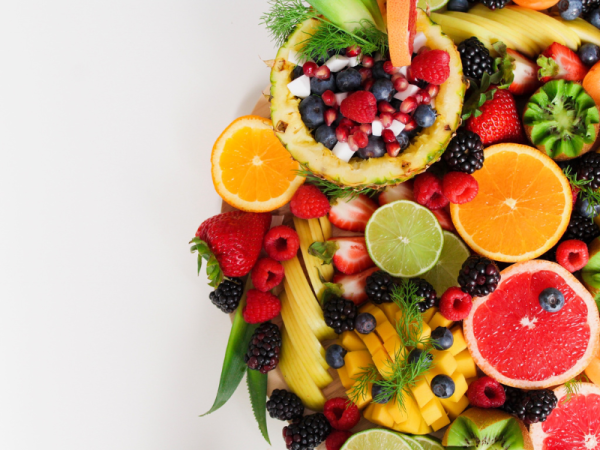
- Berries
- Leafy green vegetables
- Nuts and seeds
- Green tea
Regularly consuming antioxidant-rich foods supports clearer, brighter, and healthier-looking skin while helping protect against premature aging.
Essential Fatty Acids: Supporting the Skin Barrier
Essential fatty acids — particularly Omega-3 and Omega-6 — play a crucial role in maintaining a strong, healthy skin barrier. This protective layer locks in moisture, reduces irritation, and shields the skin from environmental aggressors.
Key sources include:
- Salmon and other oily fish
- Chia seeds and flaxseeds
- Walnuts
When the diet lacks these fats, skin can become dry, inflamed, or more sensitive, which may exaggerate fine lines and texture changes. Including healthy fats regularly helps keep skin supple, calm, and resilient.
Hydration: A Foundation for Radiant Skin
Hydration is often underestimated, yet it’s one of the most powerful ways to support youthful-looking skin.
Water is essential for:
- Maintaining skin elasticity
- Supporting nutrient delivery to skin cells
- Assisting in toxin removal
- Enhancing overall skin smoothness and glow
When the body is dehydrated, fine lines appear more pronounced, and the skin can look dull or tight. Drinking adequate water daily — along with consuming water-rich foods like cucumbers, berries, and leafy greens — helps support healthy skin from within.
Internal Hydration
Drinking enough water ensures proper cell function, supports circulation, and helps the body eliminate waste—processes that contribute to a smoother, fresher complexion. When you’re dehydrated, the skin may appear dull, tight, or lined because it lacks the internal moisture needed for elasticity.
Hydrating foods such as watermelon, cucumbers, berries, and leafy greens also support internal hydration.
External Hydration
Topical hydration helps strengthen the skin barrier and prevents transepidermal water loss (TEWL). Ingredients such as:
- Hyaluronic acid (binds water within the skin)
- Ceramides (strengthen the barrier)
- Humectants and emollients (lock in moisture)
- HydraFacial (Non-surgical treatment to instantly hydrate the skin)
Balancing internal and external hydration is essential for maintaining healthy, glowing, youthful skin. Even the most advanced treatments work best when the skin is properly hydrated.

Vitamins That Support Skin Repair and Radiance
Vitamin C is essential for collagen synthesis — the process responsible for skin firmness and structure. It also helps protect against environmental damage and supports a more even skin tone.
Dietary sources include citrus fruits, strawberries, berries, and capsicums.
Vitamin E: Barrier Protection and Inflammation Control
Vitamin E works synergistically with vitamin C to strengthen the skin barrier and calm inflammation. It’s found in foods such as almonds, sunflower seeds, and avocados.
Together, these vitamins provide enhanced antioxidant protection, reinforcing why balanced nutrition is just as important as topical skincare.
Minerals That Strengthen Skin Function
Certain minerals play a vital role in skin repair and resilience:
- Zinc supports wound healing, regulates oil production, and helps calm inflammation
- Selenium, found in Brazil nuts and whole grains, helps protect skin cells from oxidative and UV-related damage
When these minerals are consistently included in the diet, the skin is better able to repair itself and withstand daily environmental stressors.
Whole Grains and Lean Proteins: Building Blocks for Healthy Skin
Whole grains such as oats, quinoa, and brown rice provide B vitamins essential for skin regeneration and repair. Their fibre content also supports gut health, which plays an indirect but important role in skin clarity and nutrient absorption.
Lean proteins — including chicken, turkey, tofu, legumes, and fish — supply the amino acids required to produce collagen and elastin. Adequate protein intake helps maintain skin firmness, structure, and elasticity over time.
Lifestyle Choices That Amplify Skin Health
Sleep: Where Skin Regeneration Happens
Quality sleep is one of the most underrated contributors to youthful-looking skin. During deep sleep, the body enters a regenerative phase where it:
- Repairs damaged skin cells
- Boosts collagen and elastin production
- Balances hydration levels
- Reduces inflammation
When sleep is cut short or inconsistent, cortisol levels rise. Elevated cortisol accelerates collagen breakdown, increases skin sensitivity, and may contribute to puffiness, dullness, and fine lines appearing more pronounced. Over time, poor sleep can make the skin look less firm and less vibrant, even if your skincare routine is strong.
Prioritising consistent, restorative sleep—ideally 7–9 hours per night—gives your skin time to recover and rejuvenate.

Stress Management: Protecting the Skin From the Inside Out
Chronic stress affects the skin in multiple ways. Stress hormones such as cortisol can:
- Increase inflammation
- Break down collagen
- Disrupt the skin barrier
- Trigger flare-ups in sensitive or reactive skin
- Worsening conditions like acne, psoriasis, and eczema
When the stress response is activated for long periods, the skin struggles to regulate itself and maintain balance.
Incorporating simple stress-reduction techniques into your day can make a noticeable difference in how your skin feels and functions. Helpful practices include:
- Breath work to calm the nervous system
- Mindfulness or meditation to reduce mental overload
- Gentle movement, such as yoga or walking, to lower tension
- Short breaks throughout the day to prevent stress buildup
Managing stress doesn’t just support emotional wellbeing—it directly supports clearer, more resilient skin.
Step-by-Step Guide to Nutritional Skincare
- Assess Your Diet: Begin by evaluating your current eating habits. Identify any deficiencies or areas where you can incorporate more nutrient-dense foods.
- Incorporate Superfoods: Add superfoods known for their skin benefits, such as berries, avocados, and green tea, to your meals.
- Stay Hydrated: Ensure you are drinking enough water throughout the day. Consider herbal teas and infused waters for variety.
- Balance Your Intake: Ensure a balance of carbohydrates, proteins, and fats to support overall health and skin vitality.
- Consult a Professional: Consider seeking advice from a nutritionist or healthcare provider to tailor a diet plan that meets your individual needs.

A Holistic Approach to Aging Skin
- Anti-Aging Treatments are more effective.
- Skincare absorbs and functions better.
- Skin maintains its strength, balance, and glow for longer.


